I have been using reflection exercises regularly in my classroom, to help students look back on what they’ve done, and set goals for where they’d like to go. Throughout my teaching degree, we were asked to do regular reflections, and understand how important reflection is to developing our teacher practice. The danger, however, is always to dwell rather than reflect. We’ve all done that, where we start thinking about our day, all the things that happened, all the things that didn’t get done, frustrating situations, upcoming stresses… You know the spiral. That spiral can become very frustrating and stressful – the opposite of what reflection is meant to be.
Reflection is a more structured way of looking back. That’s not to say you have to do it in a particular way, or with a particular structure. Rather, you are reflecting to a constructive end- and that helps you stay on track, and be structured in your thinking. The idea is to intentionally think back to an aspect of your day, perhaps a lesson, a professional development session, or a conversation, and ask yourself some questions to tease out what happened, and what you can take away. Some classic questions to help us are, ‘What went well?’, ‘What didn’t go well?’, ‘What would you have done differently?’, but as you do more reflection, you are able to pull out helpful observations more easily, and move beyond these questions. Remember the intention of this exercise though – not to dwell on mistakes, but to look forward. As you make some conclusions and observations about what happened, (and record them any way you want) think about what the implications of that are as you go forward. Perhaps an aspect of a class you were teaching went well. Your take away from that could be that you run that activity again. Maybe the activity went well, but there was something that you could have done differently, and perhaps could make it better?
Reflection is an important step to moving forward, goal setting and a growth mindset. It is from our lessons from the past that we are propelled into the future. By taking what we can from the past and using it to consciously shape our future, we can avoid going in circles, and move forward with more clarity. This is the lesson I want my students to understand and why I want them to make reflection a mental habit that they’ll eventually do subconsciously.
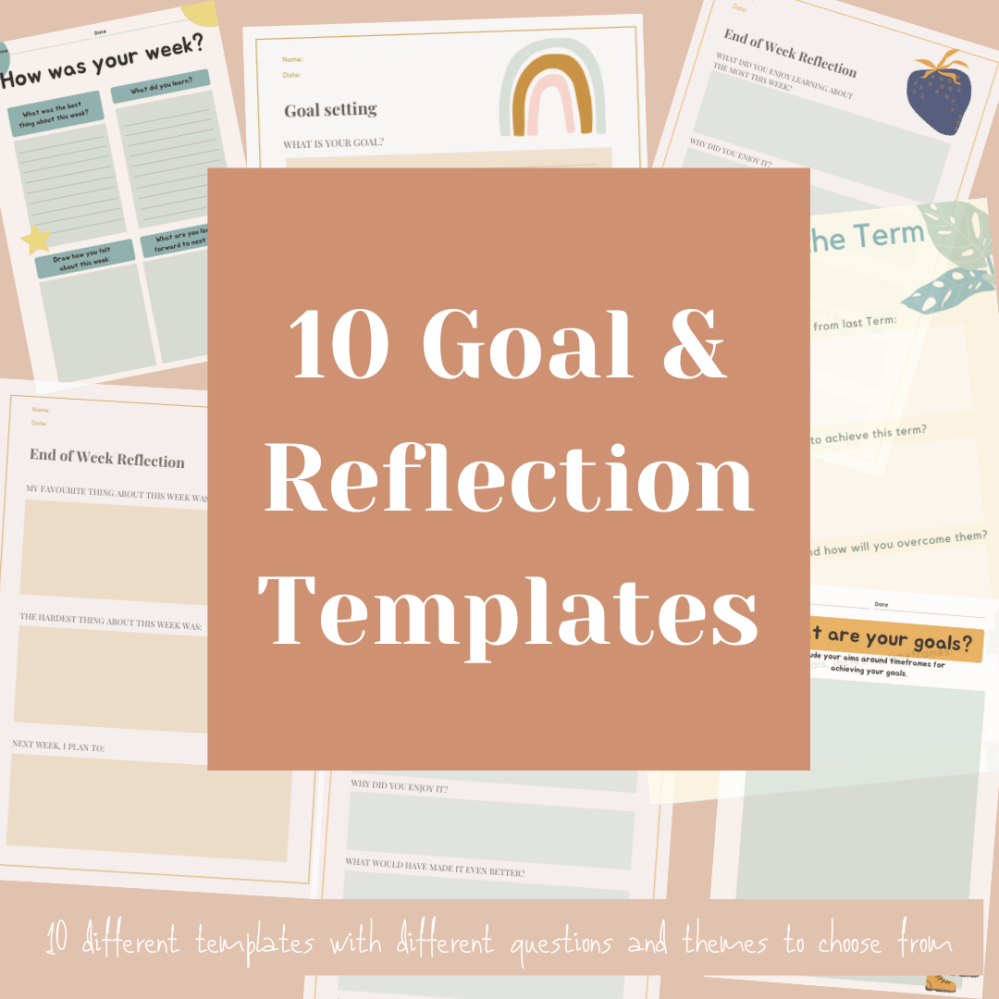
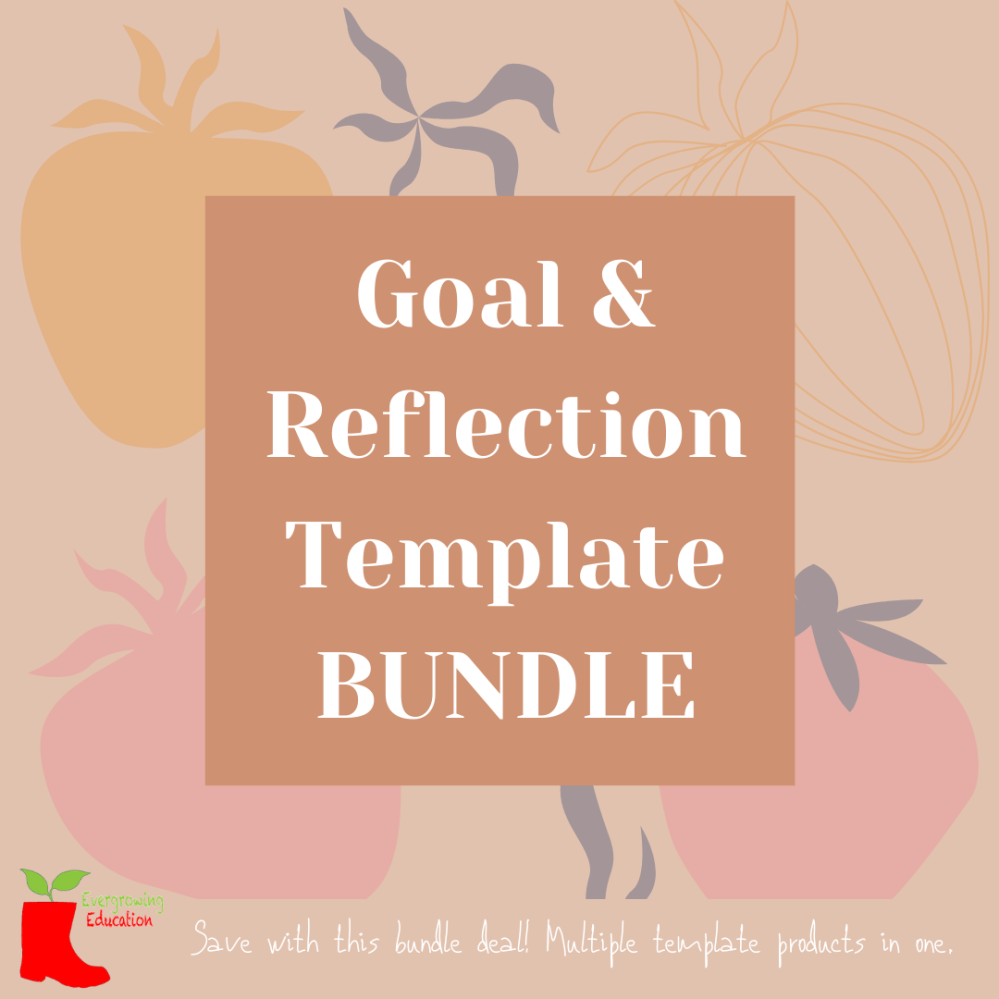
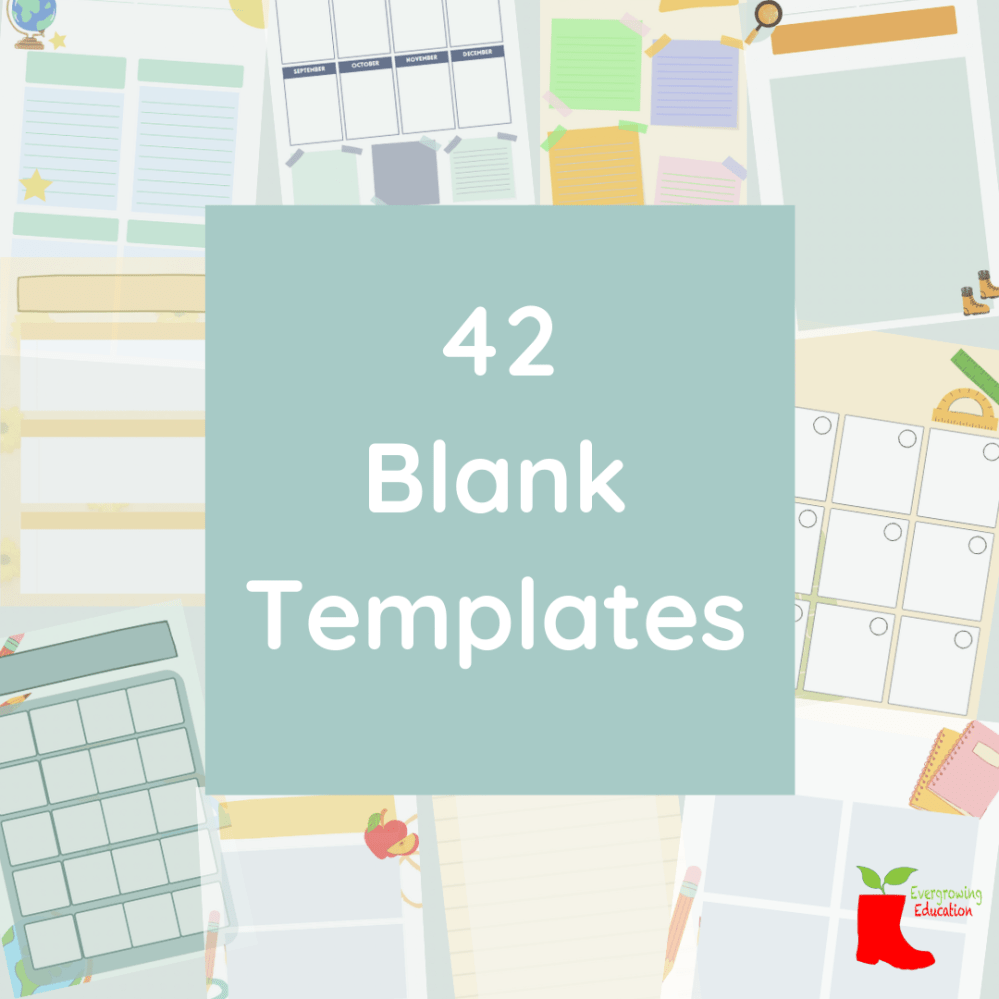
Naturally, these skills come with practice, and some scaffolding to start with. For my students, I often give them reflection templates to help them through the process. Some of them understand the concepts better, and need less prompts, while others need more structure to help them unpack where they’ve been, and how that helps them form where they are going next. I have created templates that you could use to help your students get started on reflections. If you would like to use a colourful template, but create your own questions, I have also created 42 blank templates in a variety of designs and formats. There is space for headings, questions and answers. If you would like all the various reflection templates I have, plus some bonus blank templates, see my Reflection Templates Bundle.
I would highly encourage making reflection a routine activity, however it may look, and whatever you’re doing. If you are doing it with your kids or in your classroom, it takes kids a long time to form habits and develop skills, so doing a reflection activity regularly will help them understand it, develop the skill and eventually do it naturally in their thinking. These are skills that are often needed across a range of disciplines, and will help them in other areas of their learning and development.
Follow my blog:
 Evergrowing Education